Four common mistakes when choosing energy equipment
Mistake No. 1
Choosing equipment without considering the business's actual needs
When businesses need to secure their own power generation or backup supply quickly, they often focus primarily on capacity, price and delivery times. But even high-quality equipment can turn out to be a poor investment if it does not match a facility's actual energy consumption and operating patterns.
This is particularly important when it comes to cogeneration, the simultaneous production of electricity and useful heat. The efficiency of a gas-engine cogeneration unit depends on more than its generating capacity. Businesses must also consider how much of the heat they can actually use, how demand varies over the course of a day and throughout the year, and how much they pay for gas and electricity.
Consider a typical example. A company chooses a cogeneration unit with extra capacity to cover periods of peak demand. But for most of the time, its energy needs are much lower. The unit consequently runs less efficiently, and some of the heat it generates goes unused. The investment takes longer to pay for itself, yet maintenance costs remain broadly the same as if the unit were running at full capacity.
Any energy project should therefore begin with a detailed assessment of actual consumption, fuel availability, the site's technical capabilities, and the economics of different scenarios. Companies operating high-powered electric motors must also take into account starting currents, peak loads and the order in which equipment will be brought online.
This is where RSE begins when developing a project. The company analyses the customer's electricity and heat consumption patterns, while its engineers model several scenarios. These account for variations in generating capacity, operating schedules and options for future expansion. The company compares the financial performance of each option before the equipment is selected.
Looking only at the initial investment, however, is not enough. It is important to take into account fuel and maintenance costs, expected electricity and heat output, how that energy can be used, and the possibility of selling electricity on the market, provided the relevant technical and regulatory requirements are met. What ultimately matters is the system's financial performance over its entire lifecycle, rather than how much the equipment costs to buy.
Mistake No. 2
Choosing technology without considering what it will be used for
For industrial businesses and critical infrastructure operators, there is a fundamental difference between generating electricity for regular operations and having backup power available in the event of an emergency or grid outage. A technology that is effective for one purpose may be poorly suited to the other.
For companies that consistently need both electricity and heat, gas-fired cogeneration can be one solution. Gas-engine units generate electricity on site and recover heat from the engine, making it possible to use more of the energy contained in the fuel.
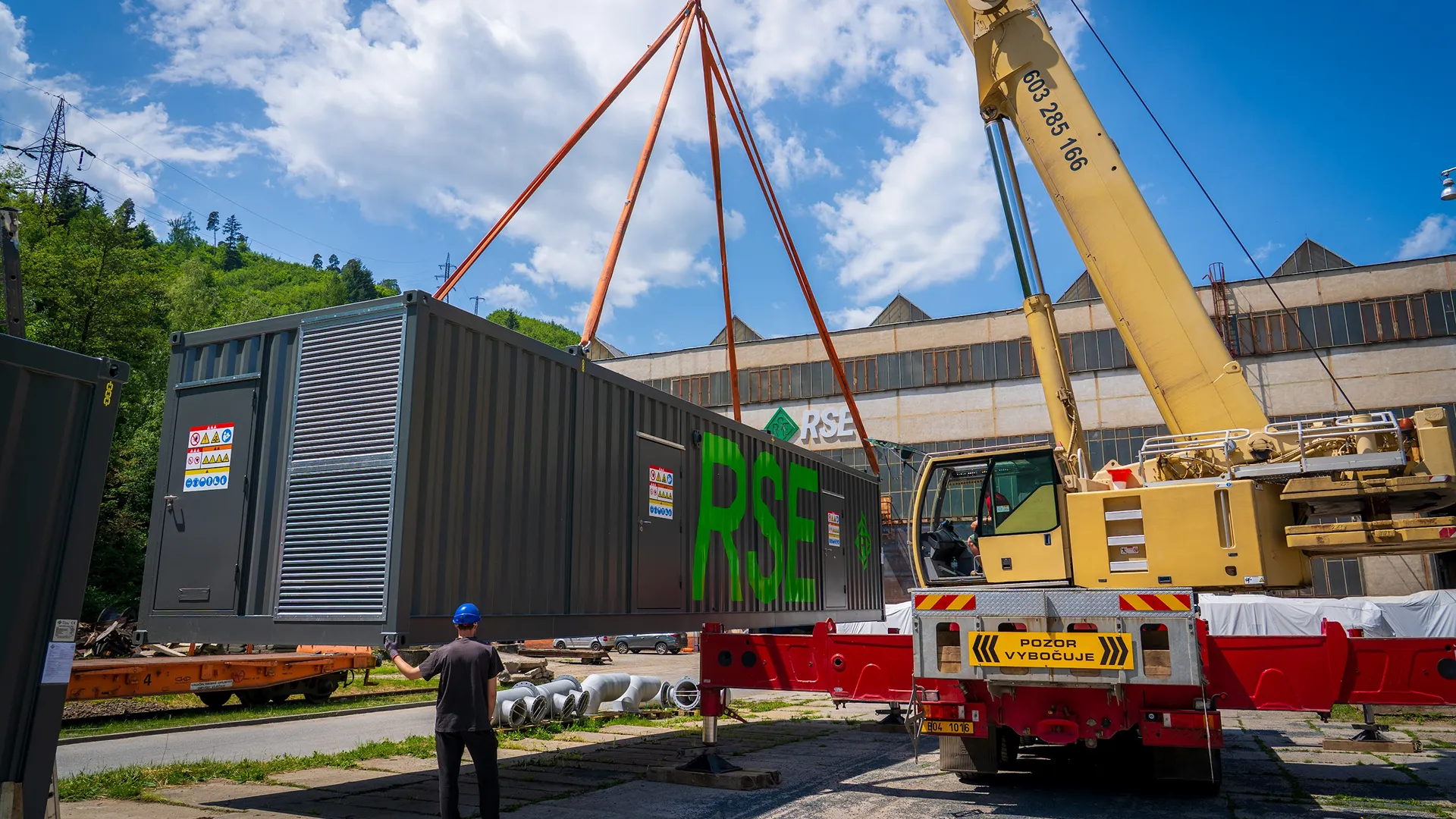
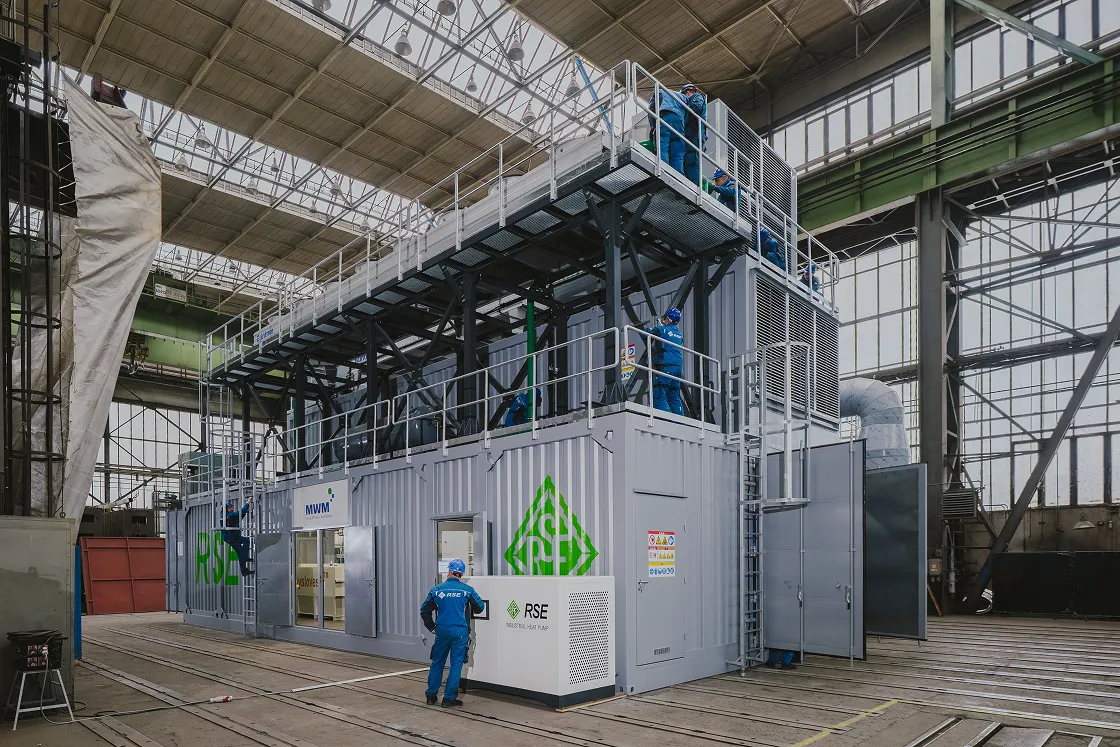
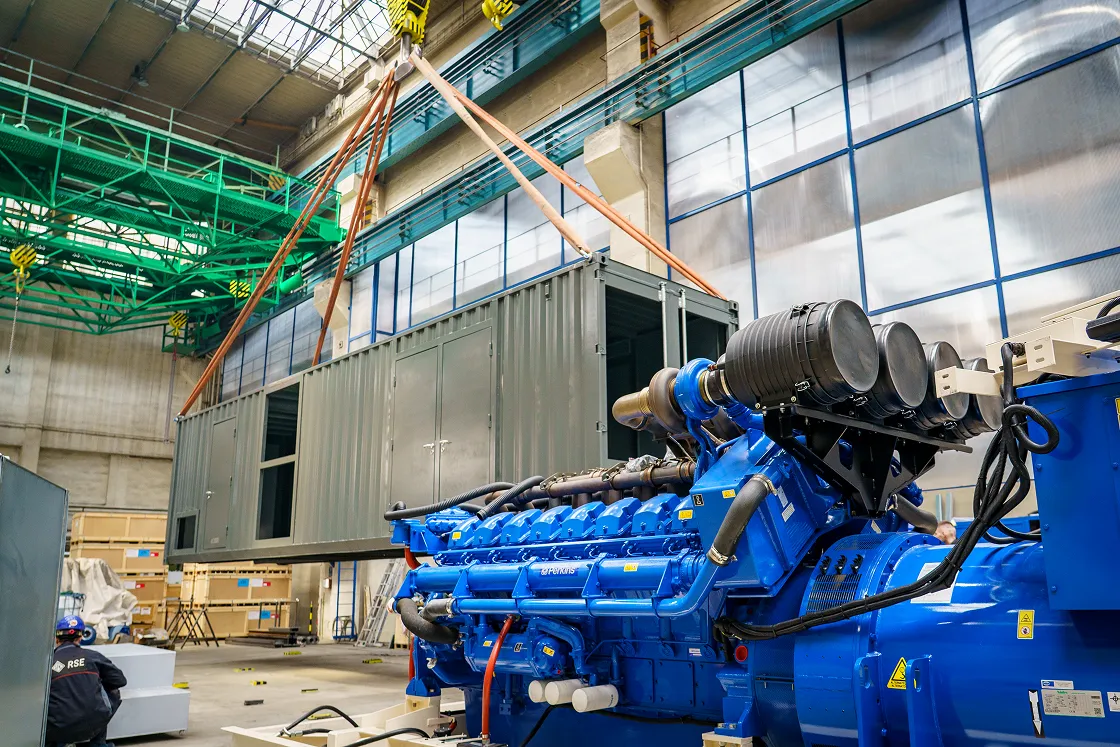
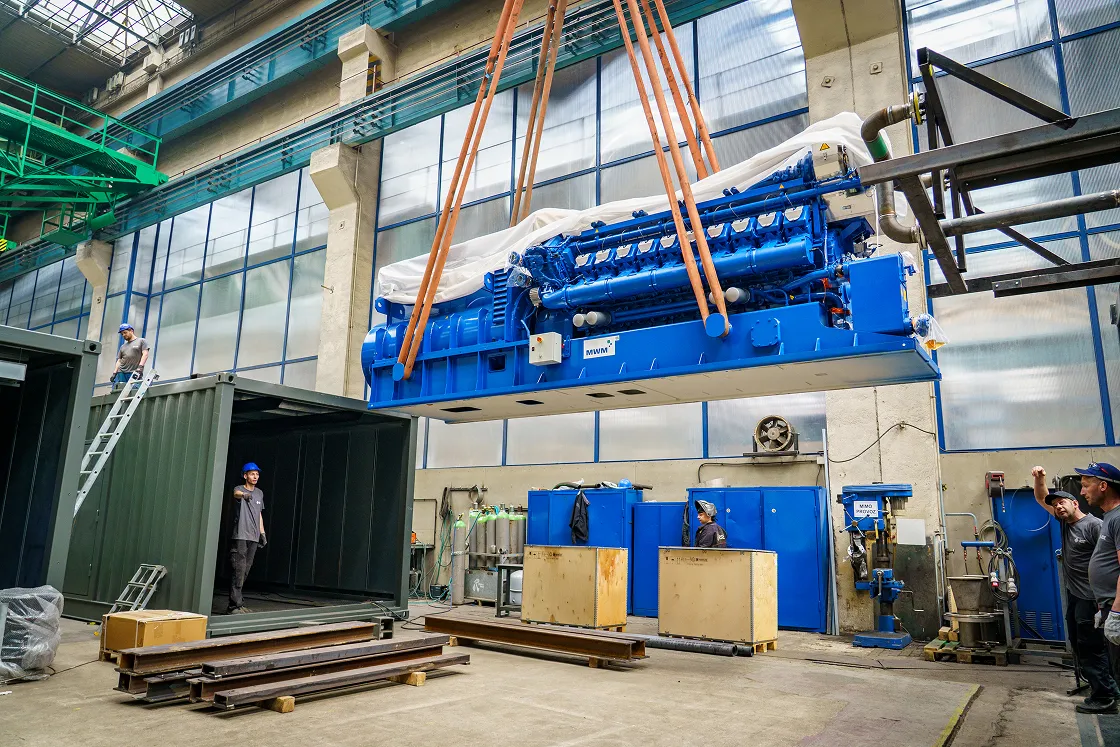
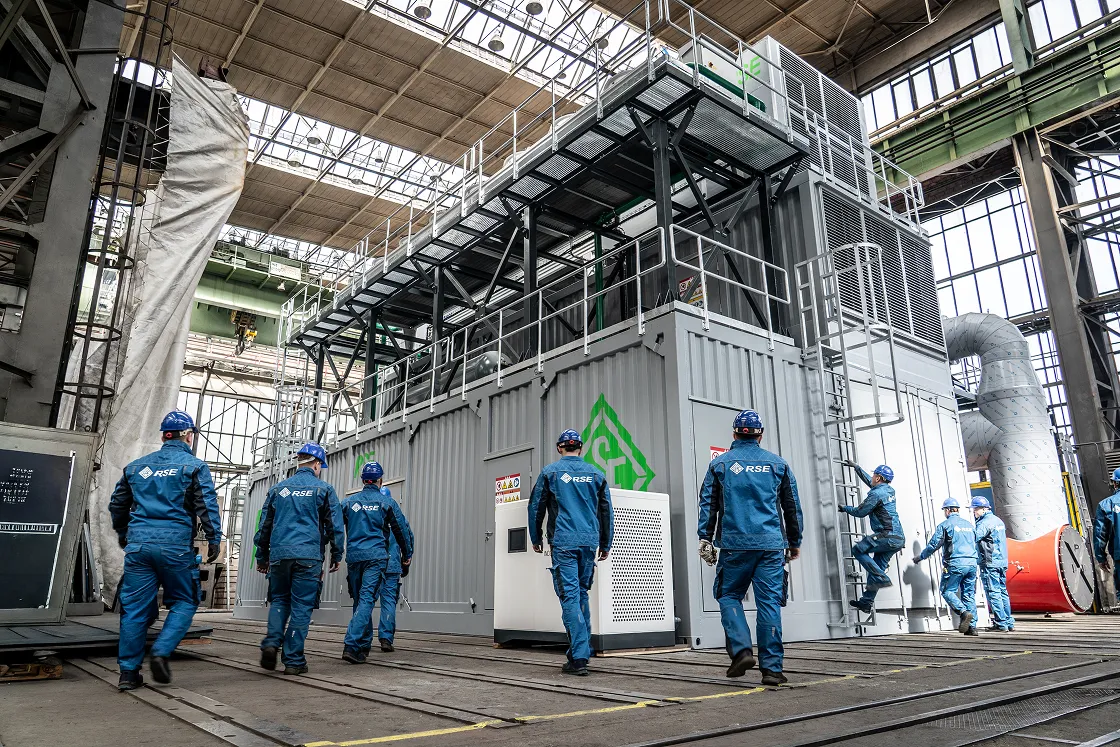
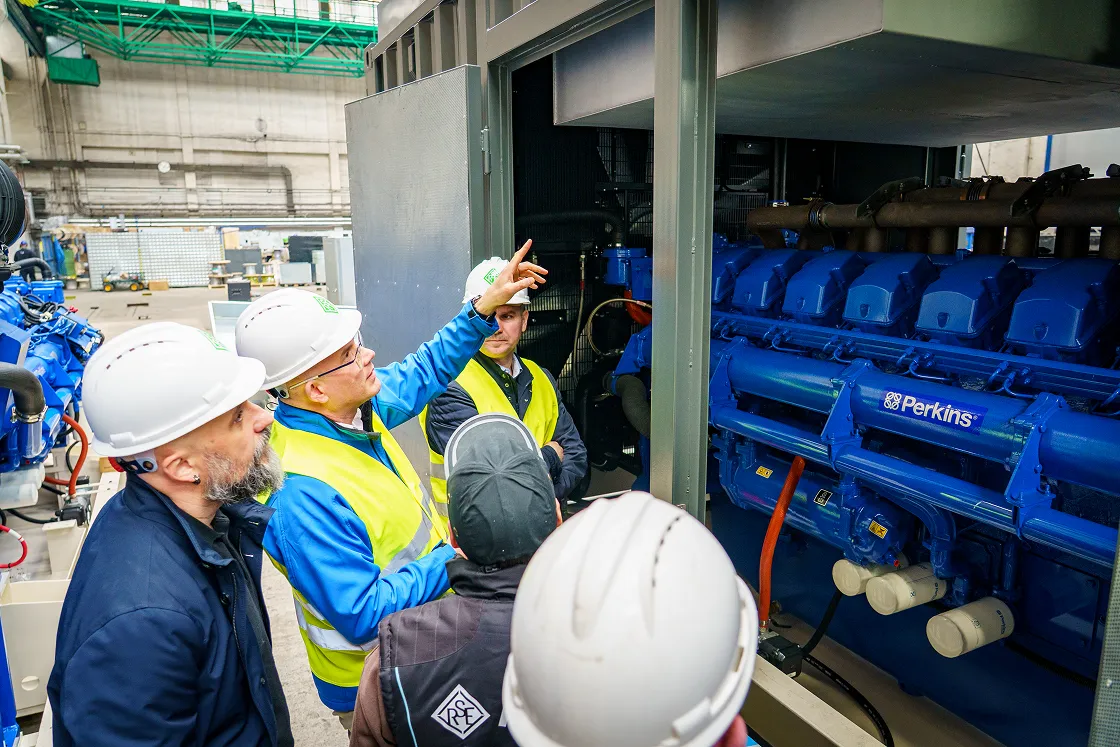
RSE develops and manufactures modular cogeneration units powered by MWM gas engines, with electrical capacities ranging from 400 kW to 4.5 MW. For larger facilities, individual modules can be combined into higher-capacity energy systems.
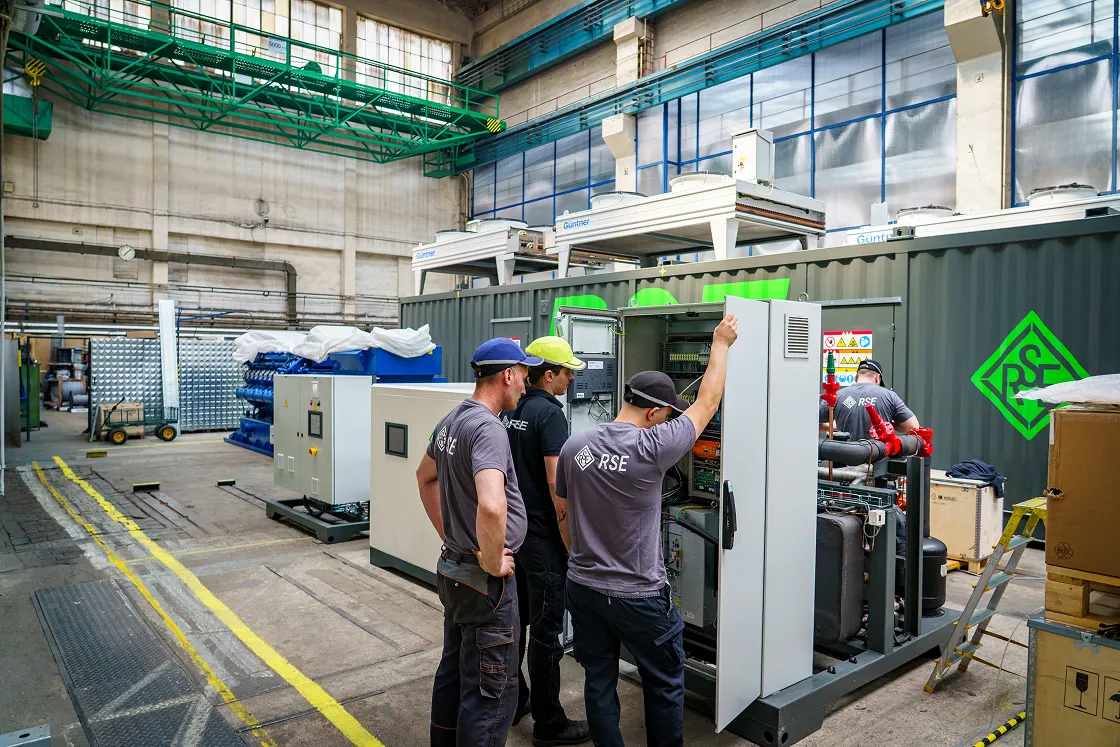
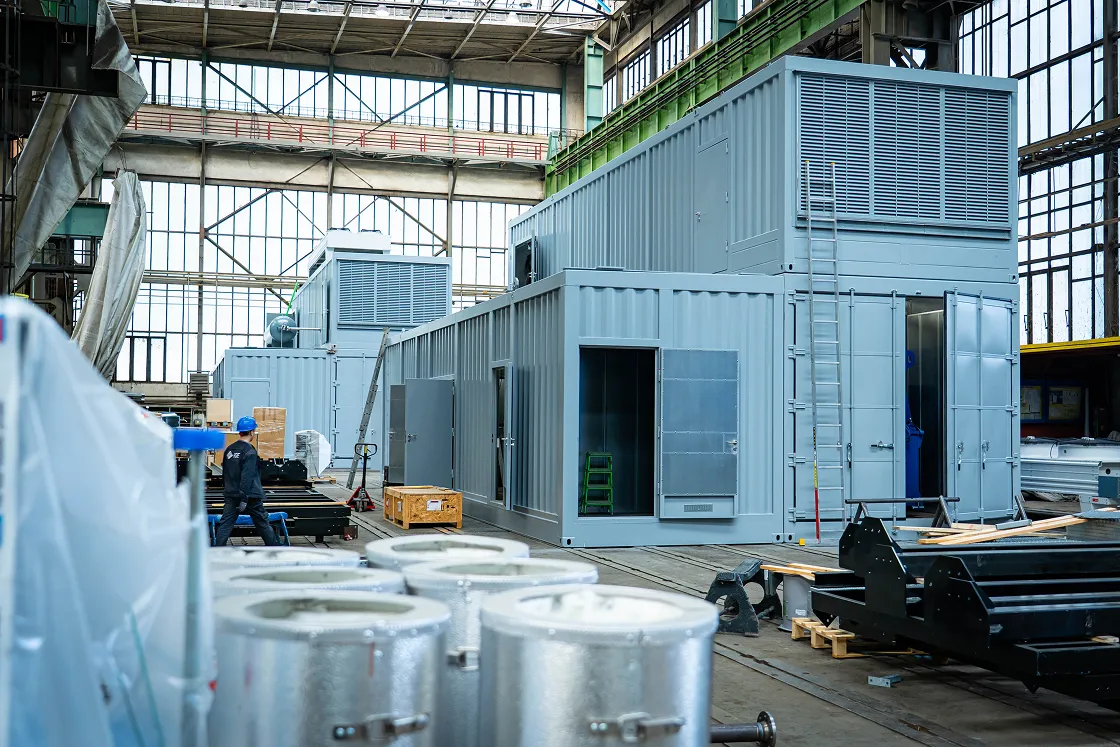
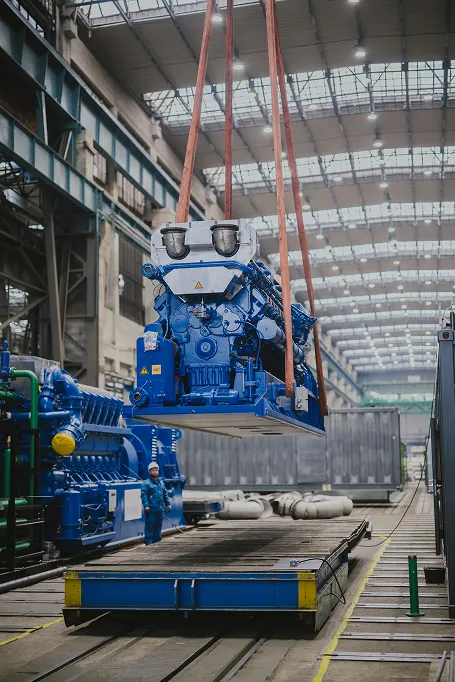
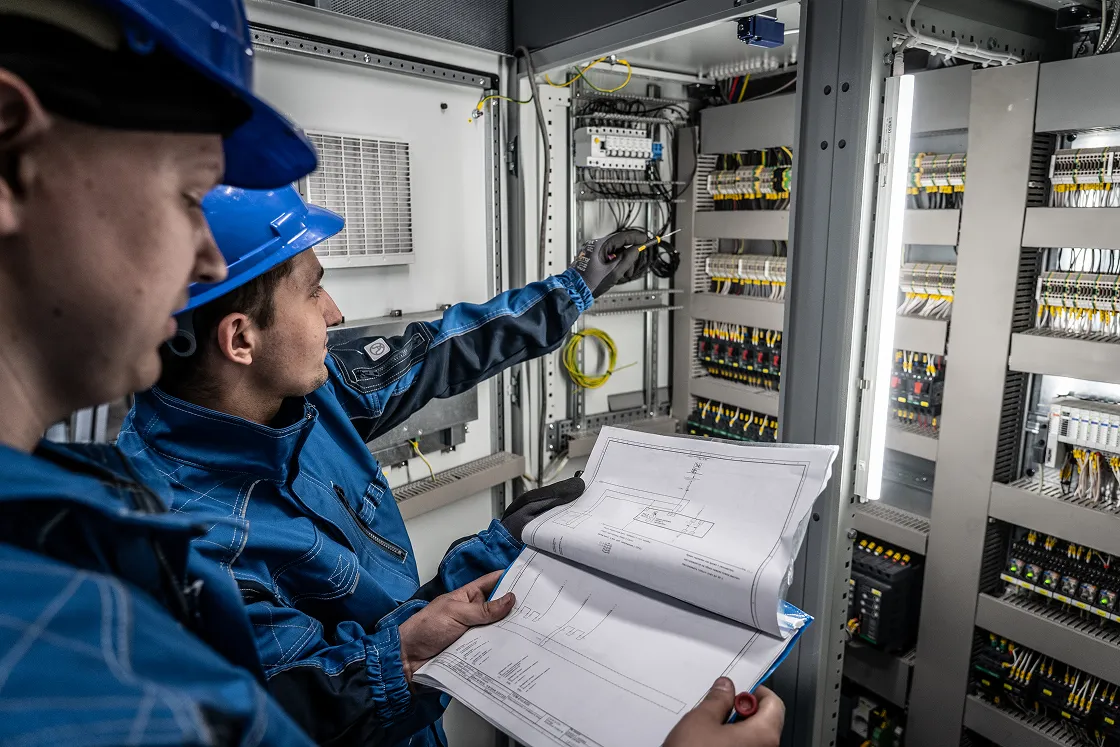
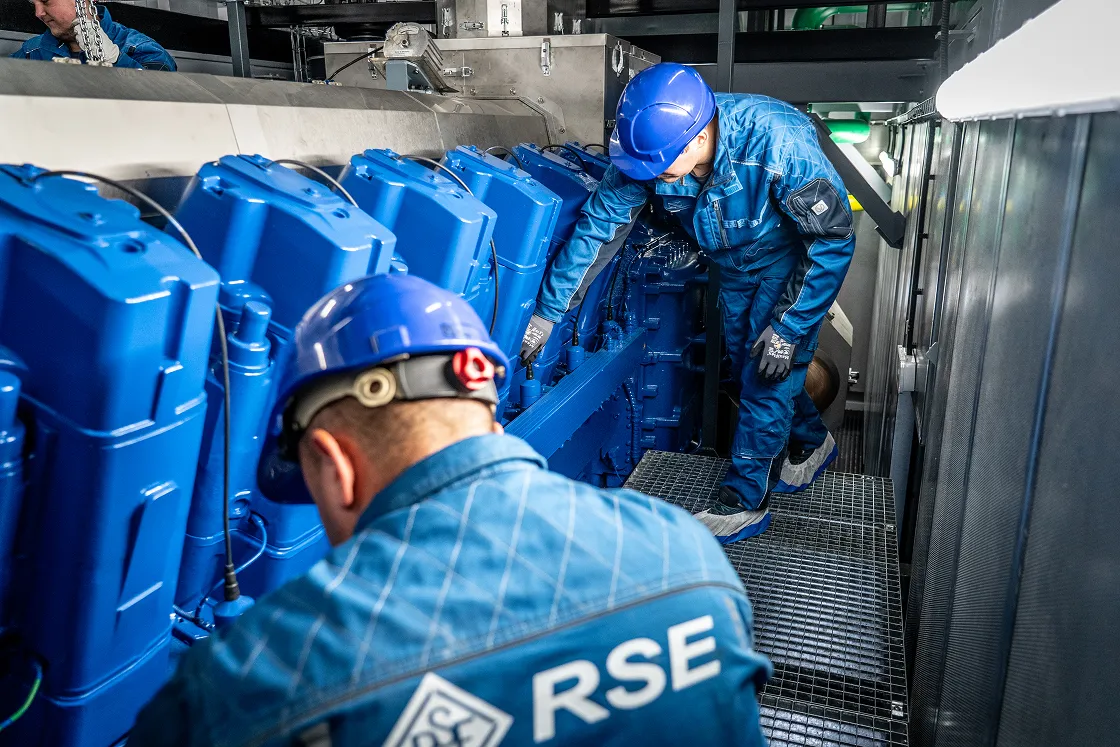
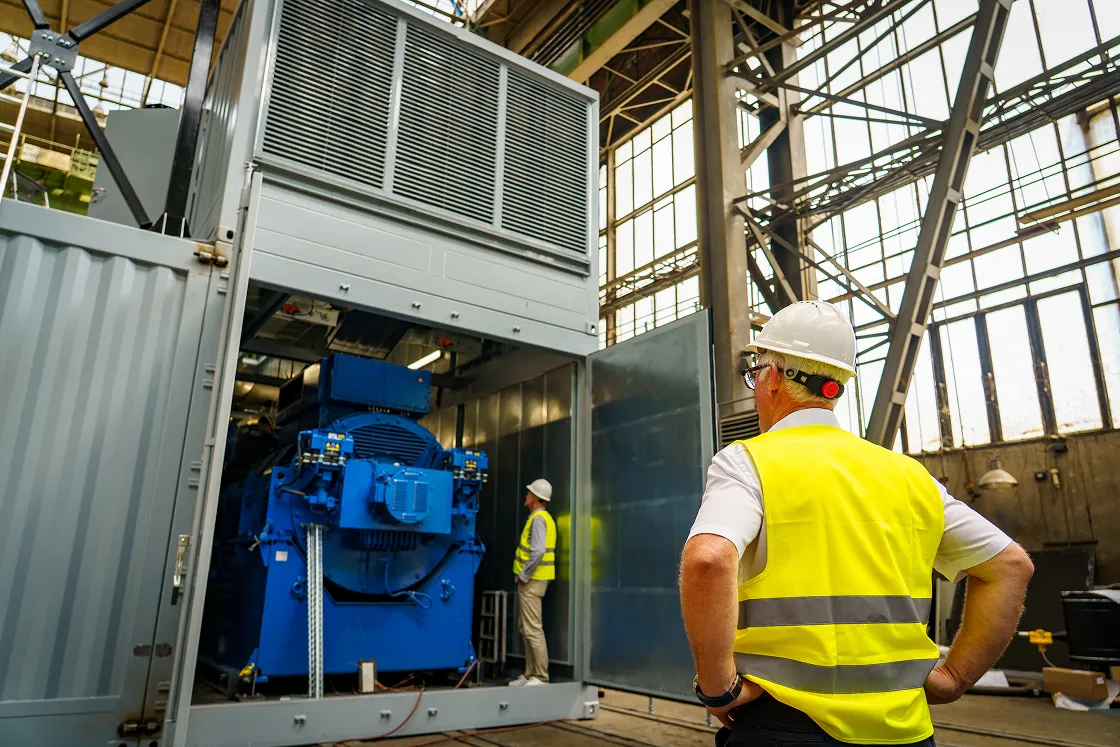
At its manufacturing facility in Czechia, RSE handles the engineering and manufacturing of modular structures, integrating mechanical, electrical, and thermal systems, automation, ventilation, noise-reduction, and safety equipment. The plant has the capacity to produce up to 40 medium- and high-capacity cogeneration modules per month. The equipment undergoes factory acceptance testing before being shipped to the customer.
Generating your own electricity, however, does not automatically make a business independent of the grid. Cogeneration units typically operate in parallel with the external power network. If grid voltage is lost, protective systems disconnect the units from the network. Unless the system has been specifically designed to operate independently, the unit will shut down along with the rest of the facility. To keep electricity flowing during a grid failure, the system must be capable of operating in island mode. This requires additional controls and equipment to manage loads and provide the necessary protection. In some cases, black-start capability is also needed, allowing the unit to start without an external electricity supply. The availability of gas and the conditions for connecting the system must also be considered.
A typical scenario: a company installs a cogeneration unit primarily to save on electricity costs, expecting it to serve as backup power during outages as well. Then the first blackout comes, and the unit shuts down because island-mode operation was never built into the design. The company is forced to buy backup generators at short notice or upgrade its automation systems potentially at a higher cost than if these requirements had been incorporated at the design stage.
For businesses that need emergency backup power or a way to restore electricity supplies quickly, diesel power plants offer another solution. Mobile units are particularly useful in Ukraine, where generating capacity may need to be moved from one location to another depending on where they are needed.
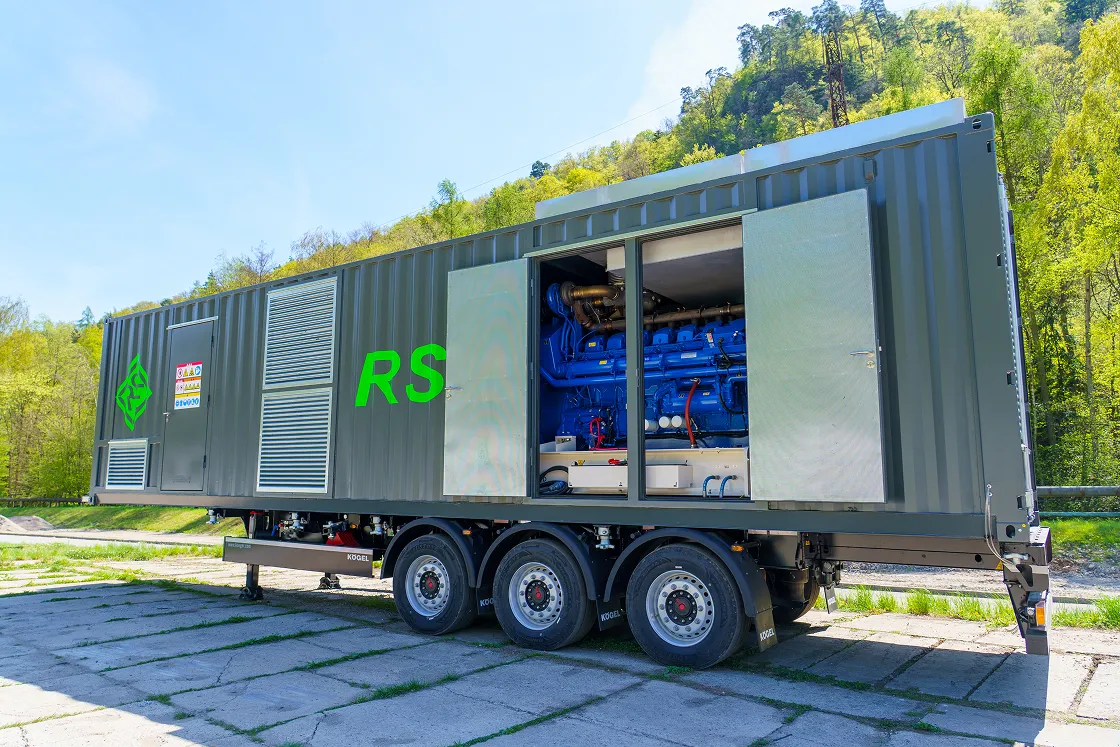
RSE manufactures containerised, stationary and mobile power plants using generator equipment from FG Wilson, a brand within the Caterpillar group. These systems can deliver generating capacities of up to 2,500 kVA.
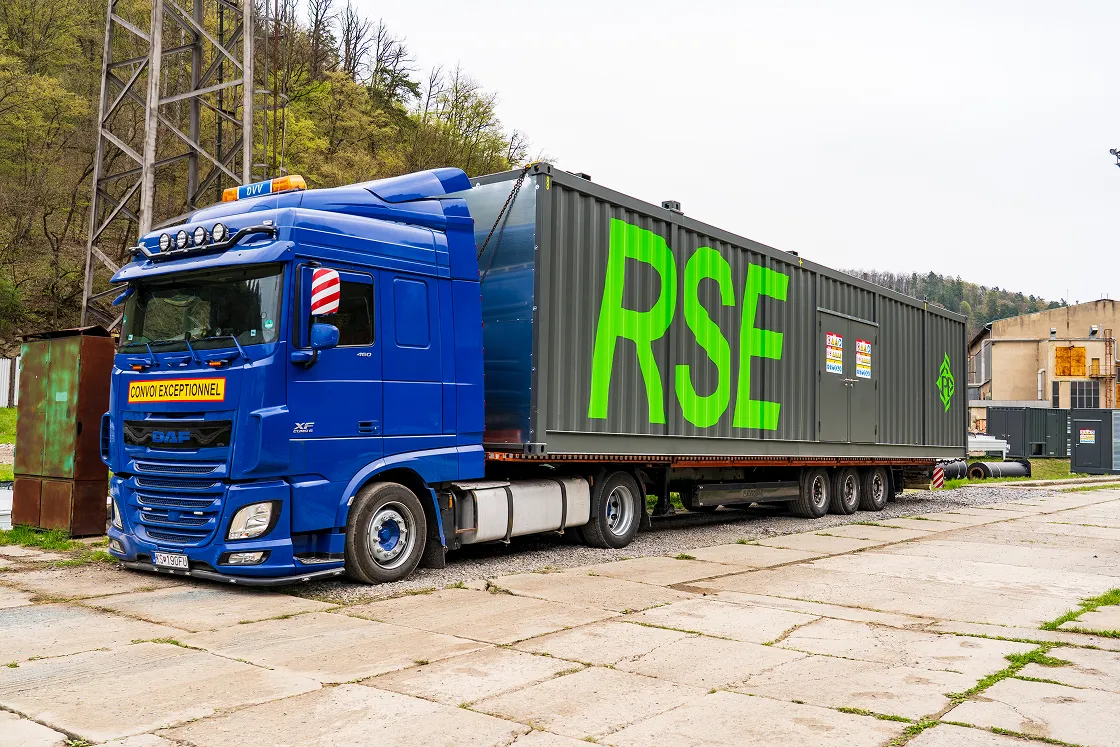
One government project involves the supply of 15 mobile diesel power plants, each rated at 2,500 kVA. Their vehicle-mounted design enables them to be moved between sites and used to provide backup electricity to critical facilities.
The units are assembled and tested before leaving the factory, reducing the amount of installation work required on site. The actual speed of deployment, however, depends on whether the site is prepared, fuel is available, electrical connections are ready and the required approvals have been obtained.
Cogeneration and diesel generation are therefore not interchangeable solutions in every situation. Businesses need to consider their consumption patterns, the required operating time, available fuel and the level of backup power they need before choosing a system.
Mistake No. 3
Building an energy system without planning for growth
A company's electricity, heating and cooling needs can change as production expands. When designing an on-site power generation system, businesses should therefore consider not only their current energy demand but also how their energy infrastructure may need to expand in the future.
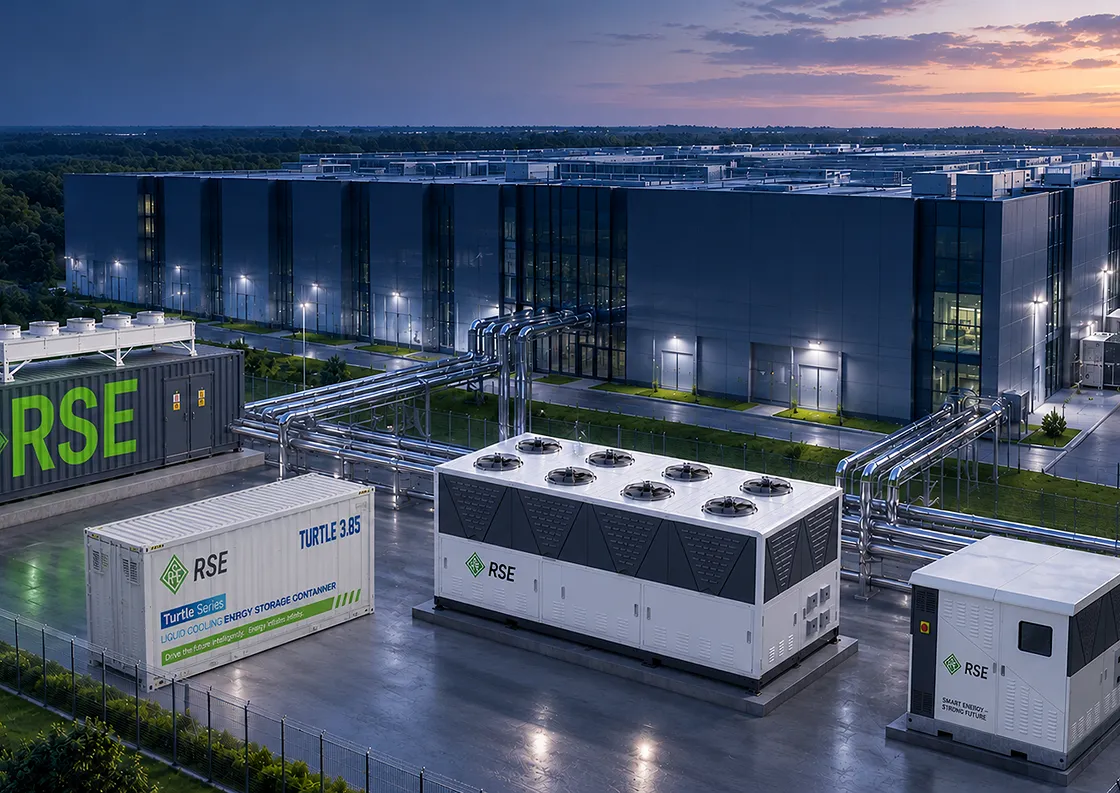
For many industrial facilities, gas-fired cogeneration can form the foundation of such a system. It can later be supplemented with energy storage systems, heat recovery equipment, industrial heat pumps, chillers and backup generators as required.
One food manufacturer, for example, began developing its own energy infrastructure with an 800-kW cogeneration unit. The company later decided to add two battery energy storage systems (BESS). This approach allows the system to be expanded in stages as production requirements evolve.
Each technology serves a different purpose. BESS can help cover short-term peaks in electricity demand and manage consumption patterns. Heat recovery boilers make it possible to capture heat from exhaust gases, including for the production of process steam. Heat pumps allow low-grade heat to be recovered and reused, while chillers provide the cooling needed for industrial processes.
Another large food manufacturer provides an example of a more extensive system: The facility already operates six cogeneration units and three heat recovery boilers. The energy complex delivered by RSE has an electrical capacity of 13.8 MW, and the heat recovery boilers have a combined thermal capacity of 4.8 MW and also produce process steam.
The next phase of the system's development will involve integrating industrial heat pumps and chillers. This is expected to provide more opportunities to utilise thermal energy and meet the cooling requirements of production processes.
Importantly, an integrated approach does not mean installing every technology at once. For some businesses, a properly sized cogeneration unit may be sufficient. For others, a system combining several technologies may make more economic sense.
The key is to plan for future expansion from the design stage onwards, so that subsequent upgrades do not require the existing infrastructure to be completely rebuilt.
Mistake No. 4
Underestimating the cost of heating and cooling
When businesses plan to modernise their energy infrastructure, electricity supply is often their first concern. Yet producing heat and providing cooling for industrial processes can account for a substantial share of energy costs and directly affect production costs.
One way to improve energy efficiency is to reuse heat that a business has already generated or paid for but would otherwise lose through hot water, air and other flows involved in production.
Industrial heat pumps can be used to recover this energy. They enable heat to be recovered at relatively low temperatures, raise its temperature and make it suitable for space heating, hot water or industrial processes.
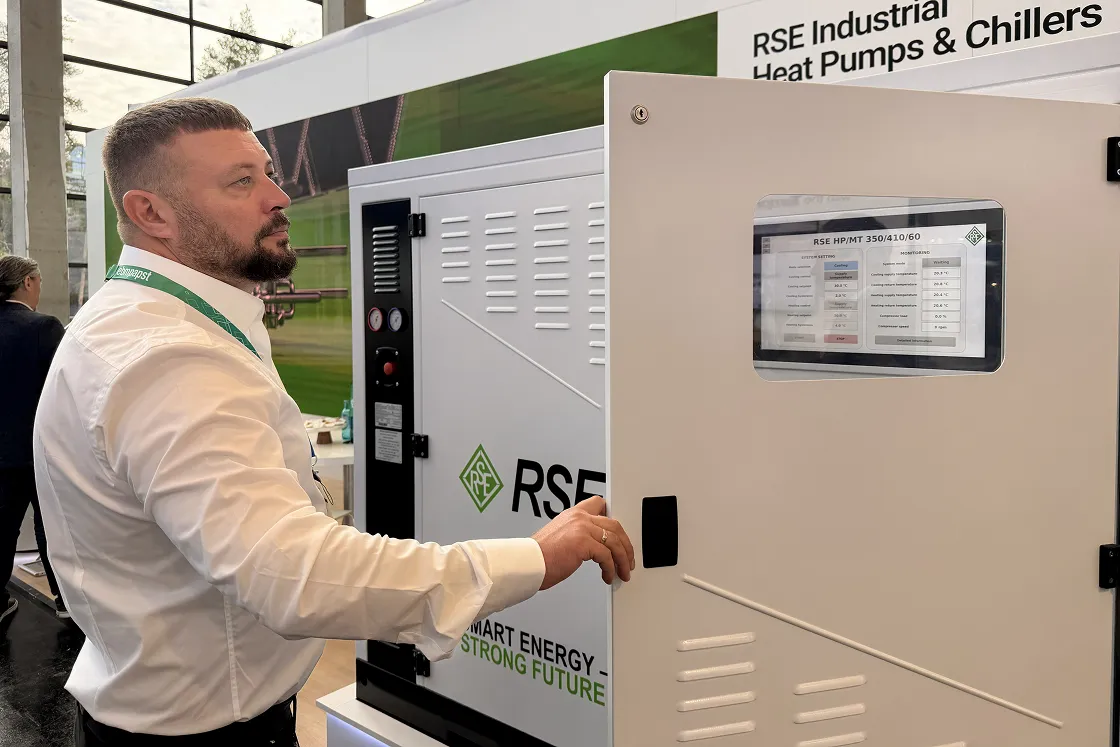
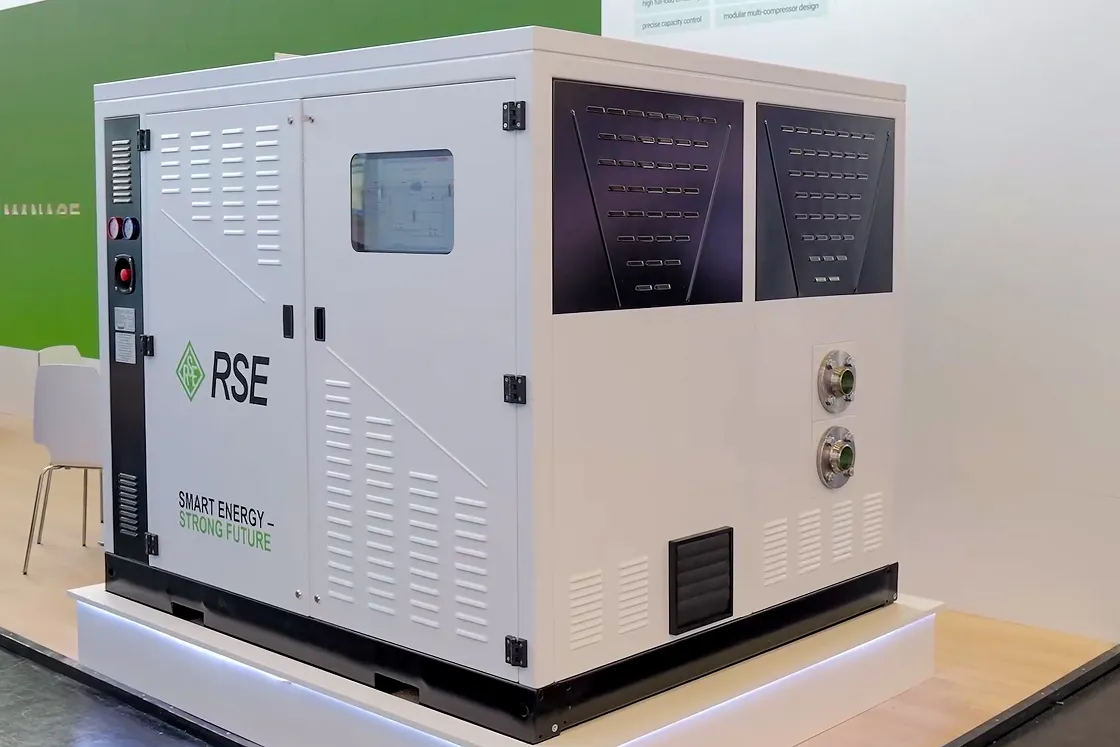
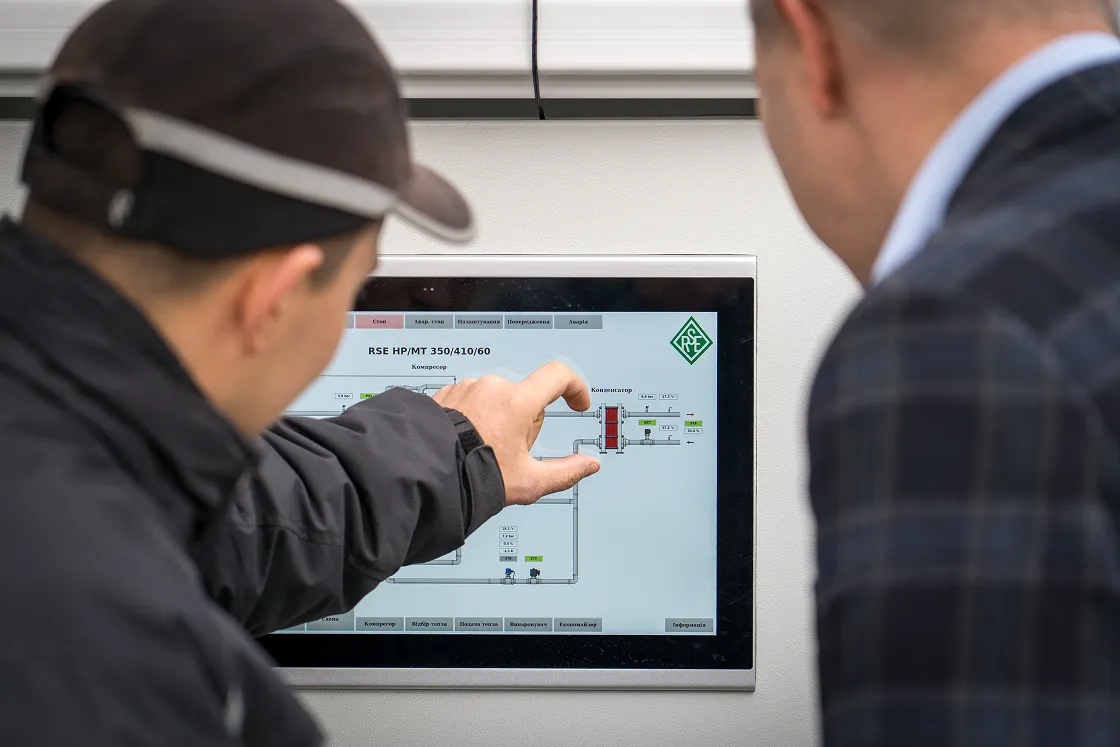
RSE offers industrial heat pumps with thermal capacities ranging from 350 kW to 4.1 MW. Its range covers water-to-water and air-to-water systems and configurations that can be integrated with cogeneration units.
RSE пропонує лінійку промислових теплових насосів тепловою потужністю від 350 кВт до 4,1 МВт. Вона охоплює рішення типу "вода-вода", "повітря-вода" та конфігурації, які можуть інтегруватися з когенераційними установками.
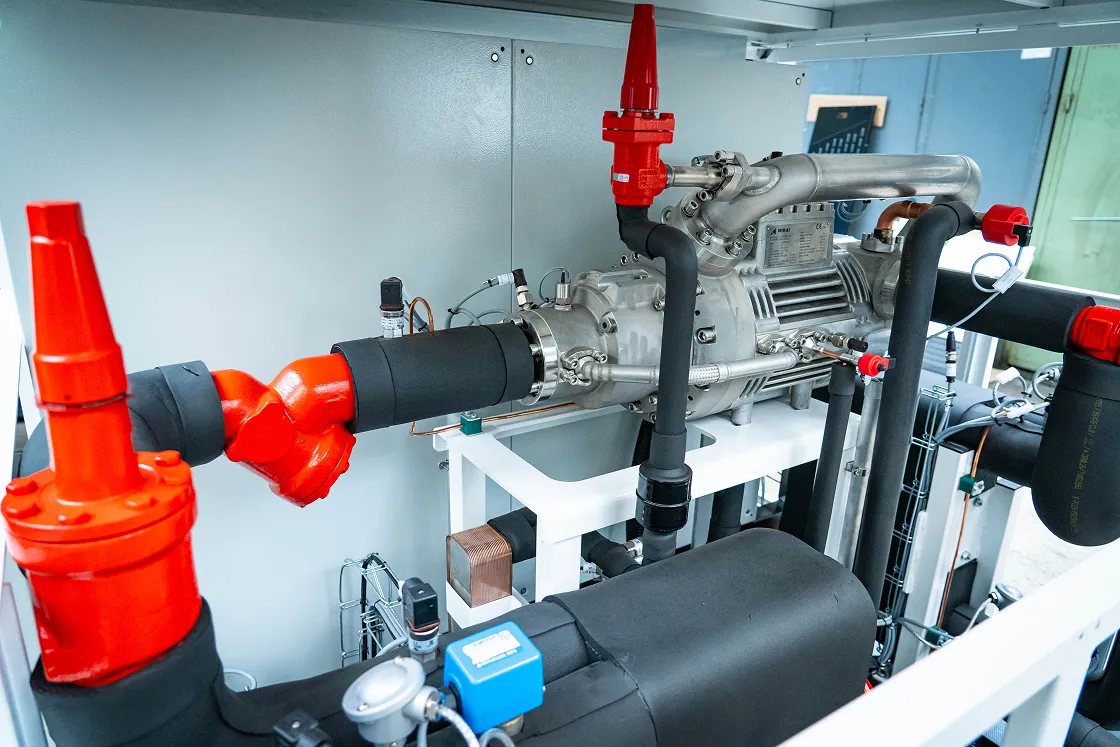
One of the technological features of the equipment is its oil-free, three-stage turbo compressor with inverter control, operating with the natural refrigerant R290. Gas-dynamic bearings help reduce mechanical friction and wear, and adjustable capacity allows the system to respond to changing demand.
Whether a heat pump makes economic sense, however, depends on the temperature of the available heat source, the temperature the business needs to achieve, its consumption patterns, and the cost of electricity relative to other heating options. Its efficiency and financial viability therefore need to be assessed for each individual facility.
Industrial cooling deserves just as much attention. For food manufacturers, maintaining a stable temperature may be essential to maintain production processes and store their products safely. Pharmaceutical companies need reliable temperature control to meet manufacturing requirements. For data centres, it is essential for keeping equipment running continuously.
RSE offers industrial chillers with cooling capacities ranging from 290 kW to 3.5 MW. Certain configurations incorporate oil-free compressor technology and use R290 as a natural refrigerant.
Chiller selection should take into account not only nominal cooling capacity but also energy consumption across different operating modes, required cooling fluid temperatures, installation conditions and cooling continuity requirements.
Під час вибору чилера важливо оцінювати не лише номінальну холодопродуктивність, а й енергоспоживання за різних режимів роботи, необхідні температури холодоносія, умови встановлення та вимоги до безперервності охолодження.
Heat pumps and chillers can operate as standalone solutions or be integrated with cogeneration and other energy technologies. For instance, heat from a gas engine can, with the appropriate system design, be used directly in manufacturing or as a heat source for a heat pump.
Some of the heat generated by a cogeneration unit is at a relatively low temperature of around 40°C, making it difficult to put to practical use. As a result, this heat is often simply released into the atmosphere. A heat pump can raise the temperature to 80°C, making that energy useful for heating or production. In a 4.5 MW installation, this can mean roughly 15% more usable heat without consuming a single additional cubic metre of gas.
A comprehensive assessment of industrial energy efficiency should therefore consider the entire balance of electricity, heating and cooling demand. This approach can identify cost optimisation opportunities that remain hidden when electricity supply is examined in isolation.