Future for Ukraine Foundation presented a video about women whose loved ones are in captivity or went missing
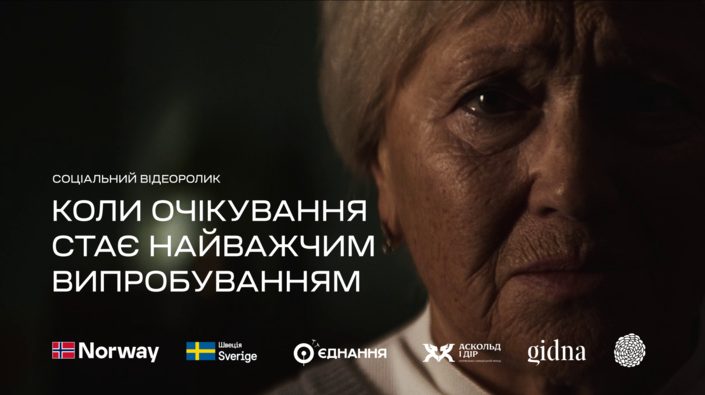
In Ukraine, thousands of women live in a state of waiting due to the war. Their husbands, sons, brothers, or fathers went missing or were held in captivity. They have neither confirmed loss nor the possibility of ending. In global psychological practice, this condition is known as ambiguous loss – and it is considered one of the most complex forms of trauma.
Waiting for news from the war means living in a state of consistent hope and despair. Day after day. For months and even years.
Despite the scale of the problem, many women remain alone with their pain. Society expects them to be "resilient" rather than to speak about psychological exhaustion. Ambiguous loss is still not widely recognized as a complex trauma, neither in public discourse nor within support systems.
To shed light on the experience of women living with ambiguous loss, the Future for Ukraine charitable foundation, in collaboration with the Luminance Production, created a short social video titled "Ambiguous Loss Is Trauma". The film premiered on YouTube.
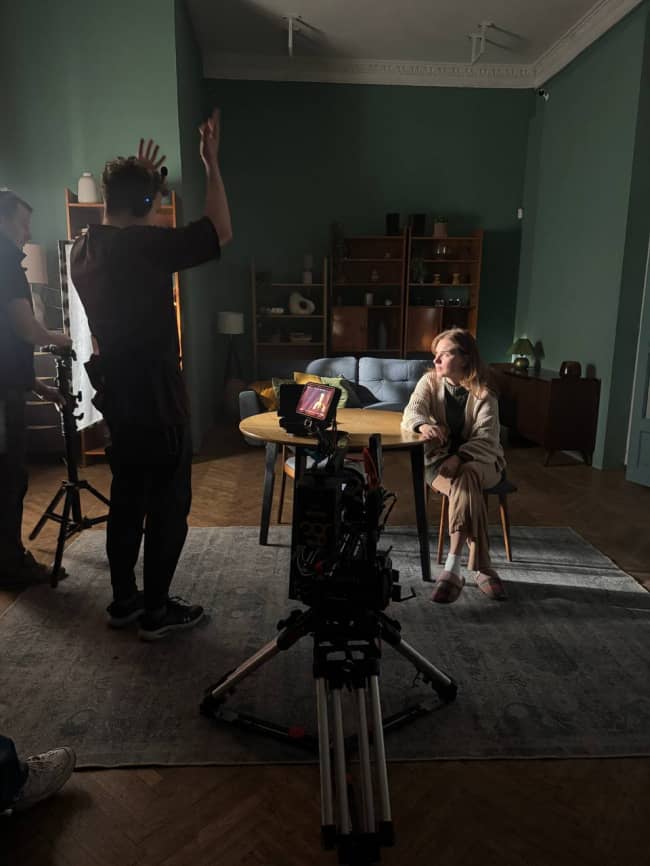
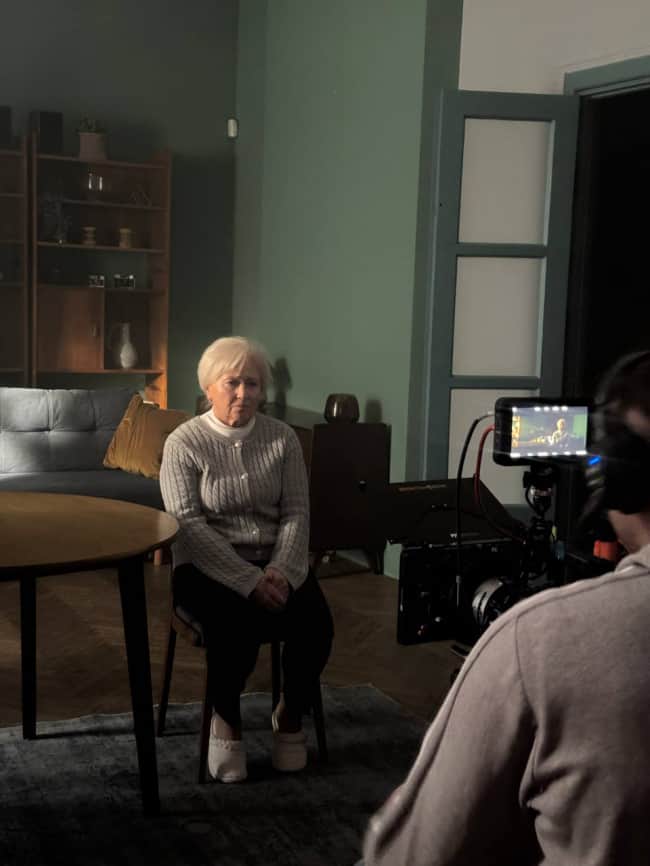
The video portrays women of different generations waiting for someone dear to them. A phone that doesn't ring. News with no given answers. Emotional rollercoaster – from faith to a total exhaustion.
"Ambiguous loss is a silent, invisible trauma. It has no date and no ending. Yet it can be just as devastating as a confirmed bereavement. We speak it aloud because silence only deepens isolation for these women. We want the international community to understand that war does not unfold only on the front lines – it continues in homes, in daily waiting, and in the minds of those living between hope and fear," says Olena Nikolaienko, president of Future for Ukraine (USA) and Head of International Fundraising.
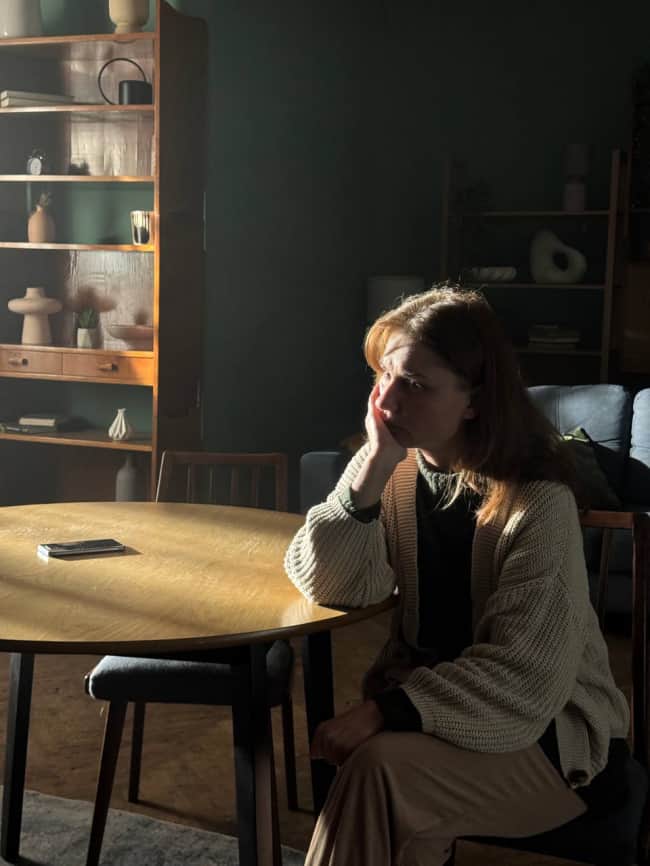
Knowledge about the trauma of ambiguous loss helps dismantle stigma and opens the path to professional support.
"There is a widespread belief that this kind of pain cannot be helped. Women often perceive their condition as simply ‘waiting,’ rather than as psychological trauma, but prolonged uncertainty exhausts both body and mind. We often observe somatic symptoms, chronic tension, and emotional burnout. In therapy, we first address these external manifestations and then help women rebuild their internal strength," explains Natalia Prysiazhniuk, psychotherapist of the GIDNA project that provides free psychological support to women suffering the war consequences.
According to Anna Hrubaia, Head of the GIDNA project, nearly 70 women have already received qualified psychological assistance, specifically at ambiguous loss direction.
Women seeking free professional support can submit an application through the project’s website.
The material is produced by CF "Future for Ukraine" with the support of the Askold and Dir Fund as a part of the Strong Civil Society of Ukraine – a Driver towards Reforms and Democracy project, implemented by ISAR Ednannia, funded by Norway and Sweden.
The contents of this publication are the sole responsibility of CF "Future for Ukraine" and can in no way be taken to reflect the views of the Government of Norway, the Government of Sweden, and ISAR Ednannia.
Watch the video "Ambiguous Loss Is Trauma" on YouTube: